Tea Harvester: Benefits, Uses & Buying Guide for Tea Farmers
16 Oct 2026 · Team Harvesterwala
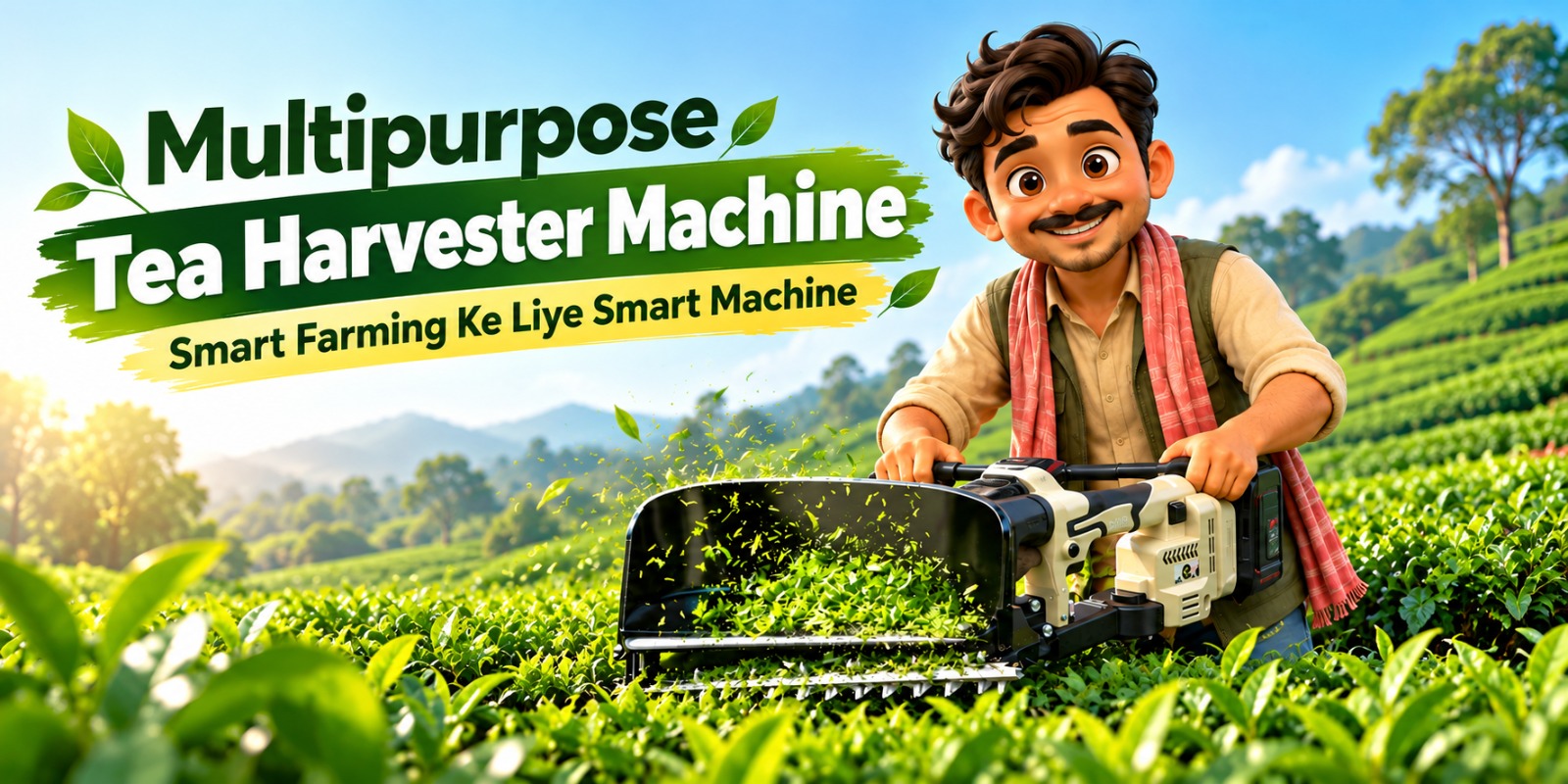
Explore tea harvester benefits, uses, machine types and buying tips. Learn how to choose the right tea harvesting machine for your tea garden.
Tea farming requires careful attention at every stage, but harvesting is one of the most demanding jobs in a tea garden. Tea leaves need to be plucked at the right stage, and the work must be completed regularly to maintain the harvesting schedule. When a plantation depends entirely on manual plucking, managing workers, time and daily operations can become challenging.
This is where a Tea Harvester can make a practical difference. Designed to help with tea leaf plucking, a tea harvesting machine can reduce repetitive manual work and help farmers cover plantation areas more efficiently. However, choosing the right machine depends on the size of the tea garden, its terrain, the harvesting method and the quality of leaves required.
In this guide, we will explain what a tea harvester is, its benefits and uses, the different types available, and the important factors to consider before buying one.
What Is a Tea Harvester?
A Tea Harvester is an agricultural machine used to cut and collect tea leaves from tea bushes. Depending on the model, it may be operated by one person or two people and may use a battery-powered or fuel-powered mechanism.
Traditional tea plucking involves selecting and removing suitable shoots by hand. A tea harvester, on the other hand, uses cutting blades to cover a section of the tea bush in a single operation. This can be particularly useful for plantations where regular harvesting across larger areas is necessary.
Tea harvesting machines are designed for different working conditions. Some models are compact and lightweight, while others are intended for larger plantation operations.
For tea farmers, the main objective is to find a machine that suits their garden and makes harvesting more manageable without overlooking leaf quality or proper bush maintenance.
What Are the Benefits of Using a Tea Harvester?
The benefits of a tea harvester depend on its design, operating conditions and how it is used. Here are some of the main reasons tea growers consider mechanical harvesting.
1. Helps Reduce Manual Harvesting Work
Hand-plucking requires workers to spend considerable time moving through rows of tea bushes and collecting suitable leaves. In plantations with extensive harvesting requirements, this can create pressure during busy periods.
A tea harvester helps mechanise the cutting process, reducing some of the repetitive manual effort involved in tea leaf harvesting. It can be particularly helpful when workers are limited or when the plantation needs to cover a large area within a set period.
2. Supports Faster Tea Leaf Harvesting
Harvesting speed is an important consideration for tea garden owners. A suitable tea harvesting machine can help operators cover plantation rows more efficiently than manual methods in appropriate field conditions.
Actual performance depends on cutting width, machine type, bush density, terrain, operator experience and the time needed to collect and handle the harvested leaves.
Before purchasing a machine, farmers should check its practical field performance rather than relying only on advertised capacity.
3. Helps Manage Harvesting Costs
Labour is an important part of tea garden operating costs. Depending on the plantation, mechanical harvesting may help manage the amount of manual work required for routine plucking.
However, a tea harvester also involves an initial purchase cost and ongoing expenses such as maintenance, blade replacement, battery charging or fuel.
Farmers should compare these costs with their current harvesting expenses to understand whether the machine makes financial sense for their operation.
4. Supports More Consistent Harvesting
Maintaining a regular harvesting schedule is important for tea plantation management. A suitable machine can help operators follow a planned harvesting routine across the garden.
The final result still depends on correct cutting height, machine adjustment, operator skill and the maturity of the tea shoots. Incorrect operation can cut unwanted plant material or affect the quality of the harvested leaves.
5. Useful for Regular Plantation Operations
Tea bushes require repeated harvesting during the growing season, depending on local weather, growth conditions and the plantation's management practices.
A tea harvester can support these recurring operations by making the cutting process more systematic. The machine should be selected according to the plantation's layout and used alongside proper pruning, plucking and bush maintenance practices.
What Are the Different Types of Tea Harvester Machines?
Before choosing a tea harvester machine, it is useful to understand the main types available.
1. Battery-Operated Tea Harvester
A battery-operated tea harvester uses a rechargeable battery to power its cutting mechanism. These machines are worth considering when portability, ease of handling and freedom from petrol or diesel engine operation are important.
When comparing battery-operated models, check the battery capacity, expected working time, charging duration, total carrying weight and availability of replacement batteries.
Battery performance may vary according to workload, blade condition and field conditions, so check the manufacturer's specifications before making a decision.
2. Single-Operator Tea Harvester
A single-operator tea harvester is designed to be handled by one person. Depending on its design and weight, it may be suitable for smaller operations or plantation sections where easy movement between rows is important.
Farmers should consider the machine's balance, handle design, weight and ease of operation, especially when harvesting for extended periods.
3. Two-Operator Tea Harvester
Some tea harvesting machines are designed to be operated by two people. These models may be suitable for plantation layouts where a wider cutting arrangement or coordinated operation is practical.
Their suitability depends on row spacing, bush shape, terrain and the number of workers available. A two-operator model is not automatically the best choice for every large garden, so compare its working requirements with those of other models.
How to Choose the Right Tea Harvester for Your Tea Garden
Buying a tea harvester is not simply about selecting the machine with the most features. It is about finding equipment that matches the actual needs of your plantation.
1. Consider the Size of Your Tea Garden
Start by assessing the area you need to harvest regularly. A compact machine may be sufficient for a smaller plantation, while a larger operation may benefit from equipment designed for longer or more extensive harvesting sessions.
Consider how much area needs to be covered, how frequently harvesting takes place and how many operators are available.
2. Check the Terrain and Bush Layout
Tea gardens can have flat sections, uneven ground, slopes and tightly spaced rows. These conditions affect how easily a machine can move and how comfortably an operator can use it.
Before buying, check whether the machine is suitable for your garden's slopes, row spacing, bush height and canopy shape. If possible, arrange a field demonstration under conditions similar to those on your plantation.
3. Compare Battery or Fuel Requirements
The power source affects daily operation and running costs.
For battery-operated models, examine battery life, charging time and the availability of spare batteries. For fuel-powered models, consider fuel consumption, engine maintenance and servicing requirements.
Choose according to your daily harvesting schedule and the facilities available at your tea garden.
4. Look at Blade Quality and Cutting Width
The blade is one of the most important parts of a tea harvesting machine. Its quality, sharpness, cutting width and maintenance requirements affect the machine's performance.
A wider cutting area may help cover more of the tea bush in one pass, but it must suit the plantation's layout. Proper cutting height and technique are equally important for avoiding unnecessary damage to the bushes.
5. Check Weight and Operator Comfort
A machine that is difficult to handle can make long working sessions tiring. Compare the total operating weight, handle position, balance and vibration before purchasing.
For battery-powered models, remember to consider the combined weight of the machine and battery rather than the machine alone.
6. Understand Maintenance and After-Sales Support
Regular maintenance helps keep agricultural machinery in working condition. Ask the supplier about blade servicing, spare parts, battery replacement, warranty coverage and access to technical support.
A machine that is easy to maintain and has dependable parts availability may be more practical over the long term.
7. Compare the Total Cost of Ownership
The purchase price is only one part of the investment. Include running costs, maintenance, replacement parts, charging or fuel expenses, and the expected useful life of the equipment.
A simple comparison of these costs against your current harvesting expenses can help you make a more informed decision.
Manual plucking may be preferable when a particular tea requires very selective harvesting. Mechanical harvesting may be practical where regular coverage and reduced manual effort are priorities.
Neither method is automatically better in every situation. Tea growers should consider the required leaf standard, processing method and overall plantation economics before deciding.
How to Maintain a Tea Harvester for Better Performance
Regular care can help extend the working life of your tea harvesting machine and reduce avoidable interruptions.
Clean the machine after use: Remove leaves and other debris according to the manufacturer's instructions.
Inspect the blades: Check for dullness, damage or loose components before starting work.
Follow the lubrication schedule: Lubricate the cutting mechanism only as directed in the user manual.
Care for the battery: Use the recommended charger and follow the manufacturer's instructions for charging and storage.
Check fasteners and cables: Inspect handles, connections and other components regularly.
Store it safely: Keep the machine in a clean, dry place and protect the blades when not in use.
Follow operating instructions: Switch off and disconnect the power source before cleaning or servicing the cutting assembly, as directed by the manufacturer.
Proper maintenance supports reliable operation and helps keep the machine ready for the next harvesting session.
Frequently Asked Questions About Tea Harvester Machines
1. What is a tea harvester used for?
A tea harvester is used to cut and collect tea leaves from tea bushes.
2. Which tea harvester is best for small tea gardens?
The best tea harvester for a small tea garden depends on its area, terrain, row spacing and harvesting needs.
3. Does a tea harvester reduce labour costs?
A tea harvester can reduce the amount of manual work needed for harvesting, potentially helping manage labour costs.
4. Is a battery-operated tea harvester a good option?
A battery-operated tea harvester may be suitable when portability, convenient operation and reduced dependence on fuel are priorities.
5. Can a tea harvester affect tea leaf quality?
Yes, the harvesting method can affect which leaves and shoots are collected and how they are cut.
6. What should I check before buying a tea harvester?
Check the machine's suitability for your plantation, cutting width, blade quality, weight, power source, operating time, maintenance requirements, warranty and spare-parts availability.
7. Is a tea harvester suitable for hilly tea plantations?
Some tea harvesting machines may be suitable for sloping or uneven plantations, but suitability depends on their design, weight, handling requirements and operating conditions.
8. How can I maintain a tea harvesting machine?
Clean the machine after use, inspect and maintain the blades, follow the recommended lubrication schedule, care for the battery or engine, and store the equipment safely.
Final Thoughts
A tea harvester can be a useful addition to a tea farming operation when it matches the plantation's working conditions and harvesting requirements. From reducing repetitive manual work to supporting more systematic harvesting, the right machine can help tea growers manage their daily operations.
Before buying, compare the available options carefully and consider not just the purchase price but also operating costs, maintenance, operator comfort and leaf quality. A well-informed decision will help you choose equipment that suits your tea garden today and remains practical for future harvesting needs.
More from the blog
06 Oct 2026
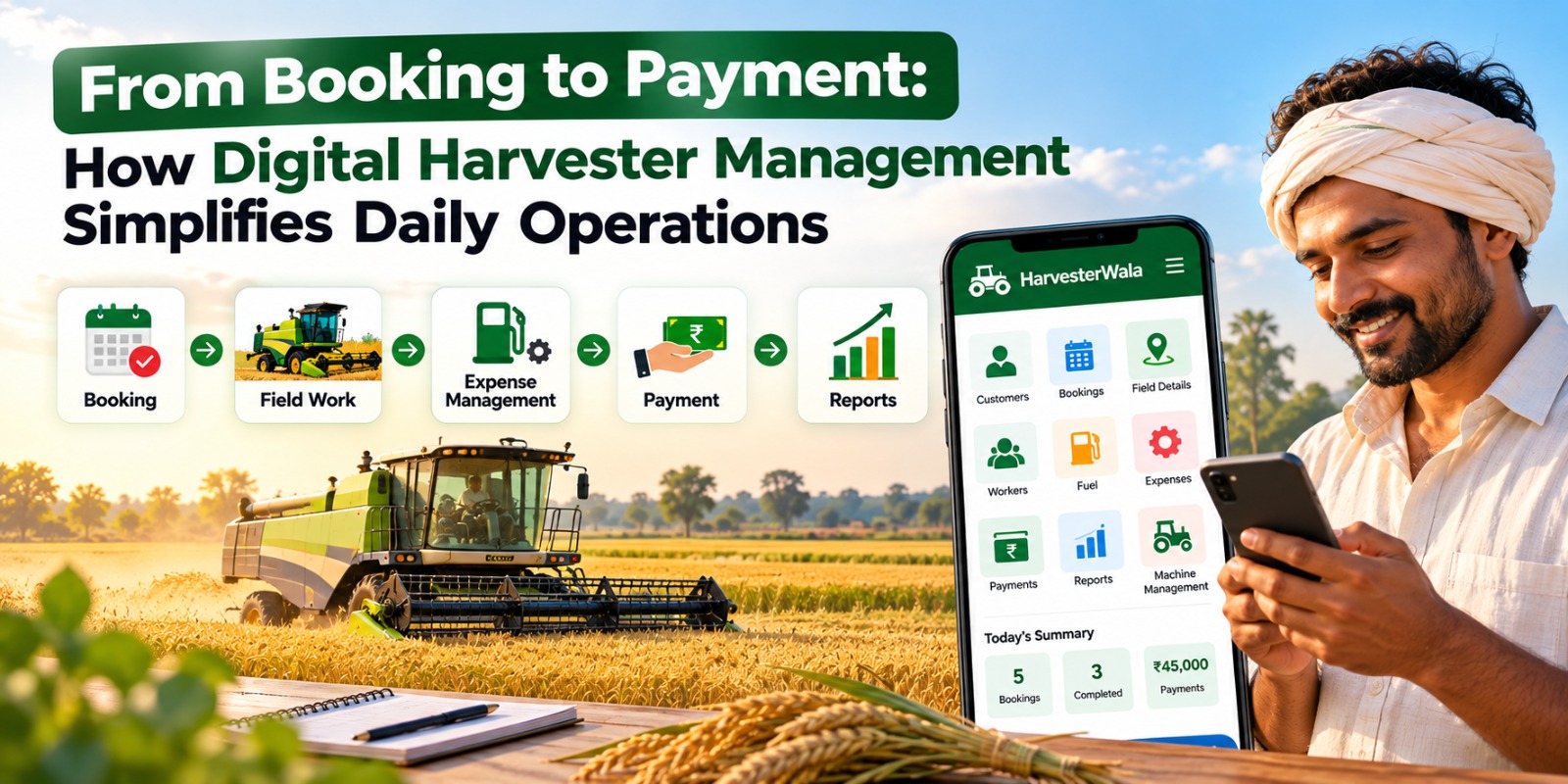
From Booking to Payment: How Digital Harvester Management Simplifies Daily Operations
How digital harvester management App helps owners, drivers and contractors organize bookings, field records, payments, expenses and daily harvesting operations.
23 Sep 2026
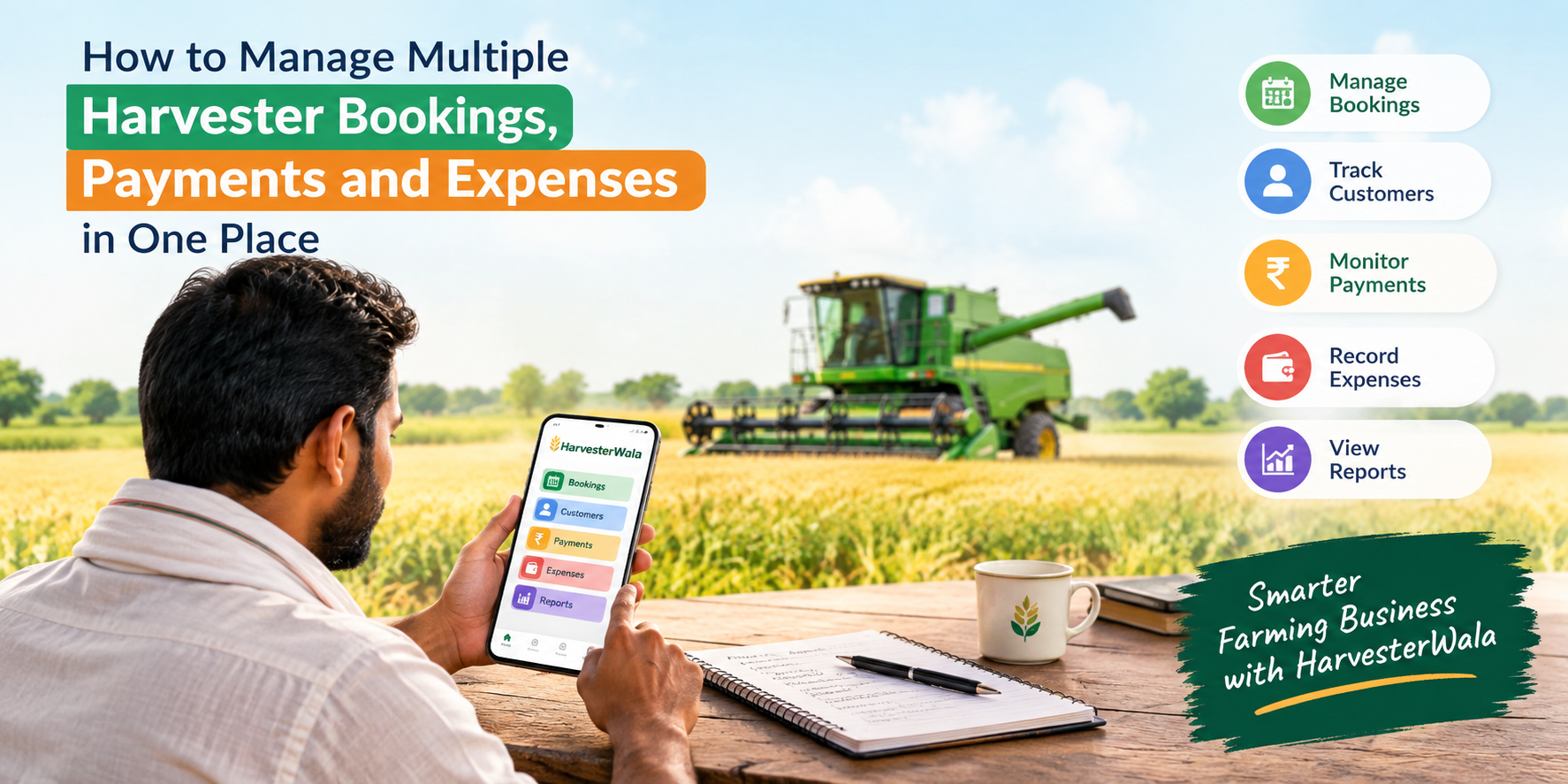
How to Manage Multiple Harvester Bookings, Payments and Expenses in One Place
Learn how to manage multiple harvester bookings, customer payments, pending dues and expenses in one place with a simple harvester management app
16 Sep 2026
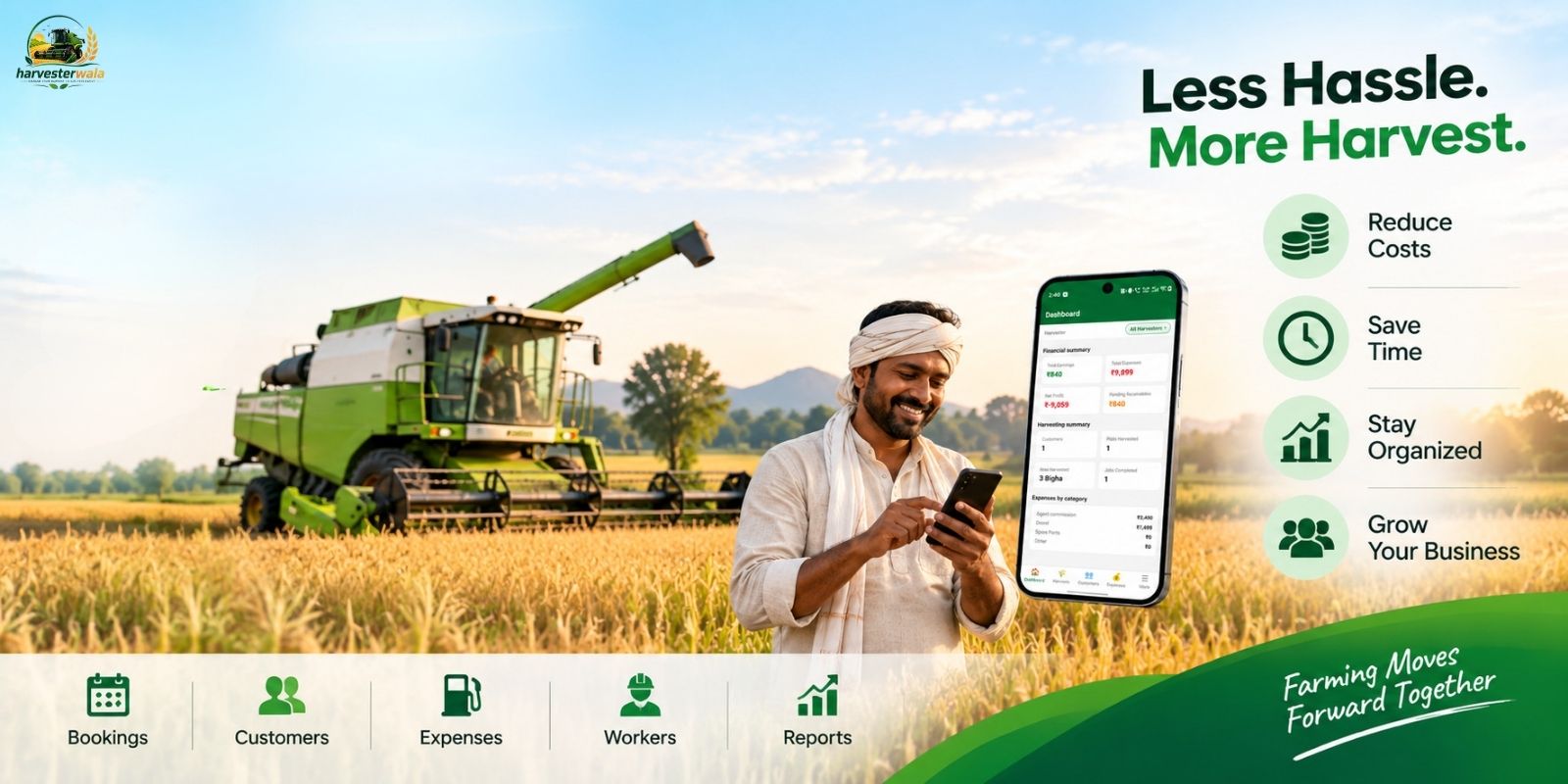
How Harvester Owners Can Reduce Costs and Save Time with Harvester Management Software
Learn how Harvester Management Software can help owners save time, track bookings, payments, expenses, workers and reports while keeping harvesting business records organized.