Chara Harvester Machine: How Farmers Can Make Fodder Harvesting Easier
26 Oct 2026 · Team Harvesterwala
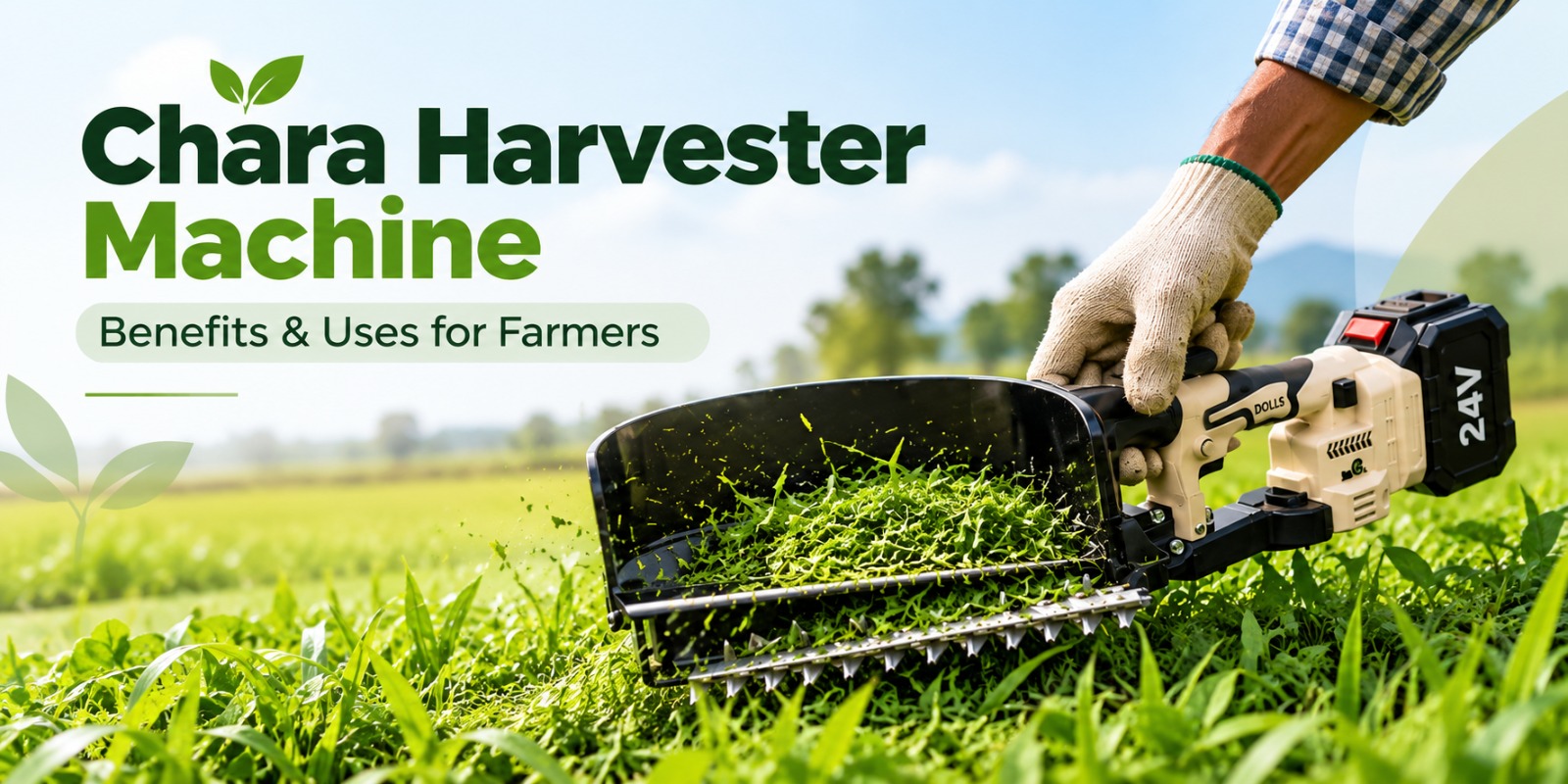
How a chara harvester machine helps farmers cut green fodder, save time, manage labour costs and choose the right fodder harvesting equipment.
A CharaHarvester Machine is agricultural equipment designed to cut standing fodder crops, such as green grass and other suitable fodder plants, with less repetitive manual effort. Depending on the machine's design and cutting arrangement, it can be useful for harvesting crops such as berseem, Napier grass and other fodder varieties. For farmers who need to harvest fodder regularly, the right machine can help save working time, manage labour requirements and make daily fodder harvesting easier.
However, choosing a suitable machine is important. Farmers should consider the type of fodder they grow, the size of their fields, the machine's cutting capacity and whether the harvested fodder needs to be collected or chopped further before feeding it to animals.
What Challenges Do Farmers Face During Fodder Harvesting?
Fodder harvesting may look like a simple farm activity, but it can require considerable time and effort, especially when a large quantity of green fodder is needed every day.
Here are some common challenges farmers face when cutting fodder manually.
1. High Labour Requirements
Cutting green fodder by hand requires workers to spend time moving through the field, cutting the crop and collecting it. When labour is limited or wages increase, managing these activities can become difficult.
Farmers who need fodder every day may find it challenging to arrange enough workers, particularly during busy agricultural periods.
2. Time-Consuming Cutting Work
Manual fodder cutting can take considerable time, depending on the size of the field, the type of crop and the number of workers available. If harvesting is delayed, farmers may also need to adjust other farm activities around the fodder-cutting schedule.
A suitable fodder harvesting machine can help reduce the time spent on cutting and make the process more manageable.
3. Difficulty Managing Daily Animal Feed Requirements
Dairy farmers need to arrange sufficient fodder for their animals regularly. When fodder cutting depends entirely on manual labour, unexpected worker shortages or delays can affect the daily routine.
Having suitable harvesting equipment can help farmers plan fodder collection according to their livestock's needs.
4. Physical Effort During Repeated Harvesting
Cutting and collecting fodder by hand involves repeated bending, lifting and handling. This work can be physically demanding, particularly for farmers managing larger areas or harvesting frequently.
A machine can reduce some of the repetitive cutting work, although operators still need to handle, move and collect the harvested crop safely.
5. Managing Seasonal Fodder Crops
Crops such as berseem are harvested at different stages of growth throughout the season. Farmers need to plan harvesting around crop maturity, field conditions and livestock feed requirements.
When manual cutting takes longer than expected, managing the harvesting schedule can become more difficult. Suitable machinery can help make the cutting process more organised.
What Is a Chara Harvester Machine?
A chara harvester, also known as a fodder harvester or green fodder harvesting machine, is used to cut standing fodder crops in the field. Depending on the model, the machine may be manually guided, battery-operated or powered by another mechanism.
A mini charaharvester is a compact option that may be suitable for particular fodder crops and smaller harvesting operations. Other machines are designed for different working conditions, crop types and field sizes.
Farmers should also understand the difference between a chara harvester and a chara cutter machine. The term chara cutter is sometimes used broadly, but a traditional chaff cutter generally chops already-cut fodder into smaller pieces for animal feeding. A harvester is used to cut standing crops in the field, although some harvesting machines may also chop fodder as part of the harvesting process.
Benefits of Using a Chara Harvester Machine
For farmers who regularly harvest green fodder, suitable machinery can make daily operations easier to manage. The actual benefits depend on the crop, machine specifications and working conditions.
1. Helps Reduce Labour Requirements
One of the main reasons farmers consider a chara harvester machine is to reduce dependence on manual cutting.
Instead of relying entirely on workers to cut standing fodder by hand, farmers can use suitable equipment to mechanise part of the process. This can be particularly useful when fodder needs to be harvested frequently or when arranging sufficient labour is difficult.
A machine does not eliminate all labour requirements, as operators may still need to collect, transport and prepare the fodder for feeding.
2. Saves Time During Fodder Harvesting
When animals need green fodder regularly, farmers cannot always spend long hours cutting it manually. A suitable fodder harvesting machine can help cover the field more efficiently, depending on its cutting width, operating speed and the condition of the crop.
The time saved can be used for other farm activities, including livestock care, feeding, cleaning and general dairy management.
Actual harvesting time varies with field size, crop density, terrain and machine performance.
3. Helps Manage Fodder Harvesting Costs
Labour wages are an important part of the cost of running a livestock or dairy farm. When fodder is cut regularly, these expenses can add up over time.
A chara harvester may help farmers manage cutting costs by reducing the manual work required. However, the overall saving depends on the equipment's purchase price, operating expenses, maintenance and frequency of use.
Before investing, farmers should compare the total cost of using a machine with their current fodder harvesting expenses.
4. Makes Regular Green Fodder Cutting Easier
Dairy animals require a regular supply of suitable feed. Farmers who grow their own fodder need a practical way to harvest it according to their daily requirements.
A mini chara harvester or another suitable harvesting machine can help simplify repeated cutting work. This is especially useful when farmers need to manage fodder harvesting alongside milking, animal care and other agricultural activities.
5. Supports Timely Harvesting of Fodder Crops
Fodder crops need to be harvested according to their growth stage and intended use. Delays may affect the suitability of the crop for feeding, depending on the plant variety and its maturity.
Having appropriate harvesting equipment available can help farmers organise field operations and complete cutting when required. The correct harvesting stage should still be determined by the crop type and local agricultural recommendations.
6. Useful for Different Fodder Crops
Depending on the machine's design and cutting mechanism, suitable equipment may be used for different types of fodder crops.
These may include:
· Berseem or barseem
· Napier grass
· Green fodder grass
· Lucerne or alfalfa
· Other suitable fodder crops
Not every machine is suitable for every crop. Before using a berseem harvester or grass harvesting machine, check the manufacturer's specifications for crop height, stem thickness, cutting arrangement and field conditions.
7. Can Help Simplify Daily Dairy Farm Work
Fodder cutting is only one part of managing a dairy farm. Farmers also need to look after animals, maintain clean feeding areas, arrange water and manage other daily responsibilities.
By reducing some of the effort involved in cutting standing fodder, a suitable machine can help farmers organise their time more effectively.
Mini Chara Harvester: Is It Suitable for Your Farm?
A mini chara harvester may be worth considering for farmers who want a compact machine for regular fodder harvesting. However, its suitability depends on the machine's design and the type of crop being harvested.
Before choosing a mini fodder harvester, consider the following factors.
Farm size: Estimate the amount of fodder you need to harvest each day or week.
Crop type: Check whether the machine is suitable for berseem, grass or your other fodder crops.
Cutting capacity: Compare the manufacturer's stated capacity with your harvesting requirements.
Machine weight: Consider how easily the equipment can be carried, guided or moved through your field.
Power source: Check battery runtime, charging time or fuel requirements, depending on the model.
Maintenance: Ask about blade servicing, spare parts and routine maintenance.
After-sales support: Confirm whether technical assistance and replacement components are available.
For smaller farms, a compact machine may be practical when its performance matches the amount of fodder that needs to be cut. For larger fields, farmers should compare alternative equipment and determine which option suits their workload.
Make Fodder Harvesting Easier with HarvesterWala
Managing fodderharvesting alongside daily livestock care can be challenging, particularly when the work depends heavily on manual cutting. The right harvesting machine can help make this process more manageable by reducing repetitive effort and supporting a more organised routine.
If you are exploring machinery for fodder or other suitable crop harvesting, visit the HarvesterWala website to learn more about the machine and review its intended uses and specifications.
Before making a purchase, confirm that the particular model is suitable for your fodder crop, field conditions and harvesting requirements. Choosing equipment based on actual farm needs is more useful than relying on general claims about speed or savings.
Frequently Asked Questions About Chara Harvester Machines
1. What is a chara harvester machine?
A chara harvester machine is agricultural equipment used to cut standing fodder crops in the field. It helps mechanise fodder harvesting and can reduce some of the repetitive manual work involved.
2. What is a mini chara harvester used for?
A mini chara harvester is a compact fodder harvesting machine intended for suitable crops and working conditions.
3. Can a chara harvester reduce labour costs?
A chara harvester can reduce the manual effort and labour needed for cutting standing fodder. Actual cost savings depend on the machine's price, maintenance, operating expenses and how frequently it is used.
4. Is a chara harvester suitable for berseem harvesting?
Some fodder harvesting machines may be suitable for berseem, but this depends on their design and specifications.
5. What is the difference between a berseem harvester and a barseem cutter machine?
These terms may be used for equipment intended to cut berseem fodder. However, machine designs differ, so farmers should check whether the equipment cuts standing crops in the field or chops harvested fodder into smaller pieces.
6. Can a chara cutter machine harvest standing fodder?
A traditional chara cutter generally chops fodder that has already been harvested. A machine designed to cut standing crops is usually described as a chara harvester or fodder harvester.
7. Which crops can a fodder harvester cut?
Depending on its design, a fodder harvester may be suitable for crops such as berseem, Napier grass, lucerne and other green fodder varieties.
8. What should I check before buying a chara harvester?
Check crop suitability, cutting height, machine capacity, weight, power requirements, maintenance costs, safety features, warranty and spare-parts availability.
9. Is a mini chara harvester suitable for dairy farms?
A mini chara harvester may be useful on a dairy farm where fodder is harvested regularly and the machine is suitable for the available crops and field conditions.
More from the blog
16 Oct 2026
Tea Harvester: Benefits, Uses & Buying Guide for Tea Farmers
Explore tea harvester benefits, uses, machine types and buying tips. Learn how to choose the right tea harvesting machine for your tea garden.
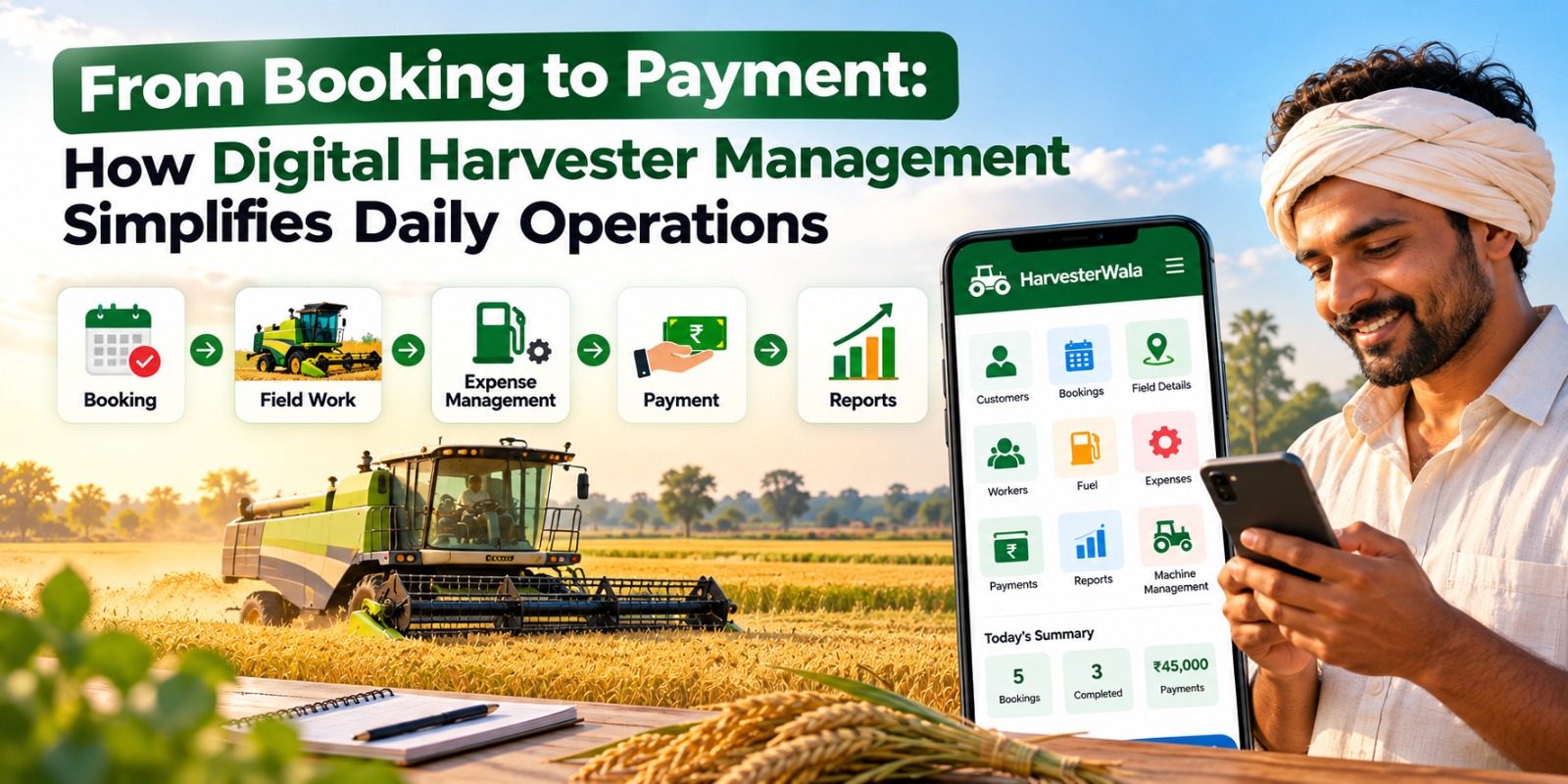
06 Oct 2026
From Booking to Payment: How Digital Harvester Management Simplifies Daily Operations
How digital harvester management App helps owners, drivers and contractors organize bookings, field records, payments, expenses and daily harvesting operations.
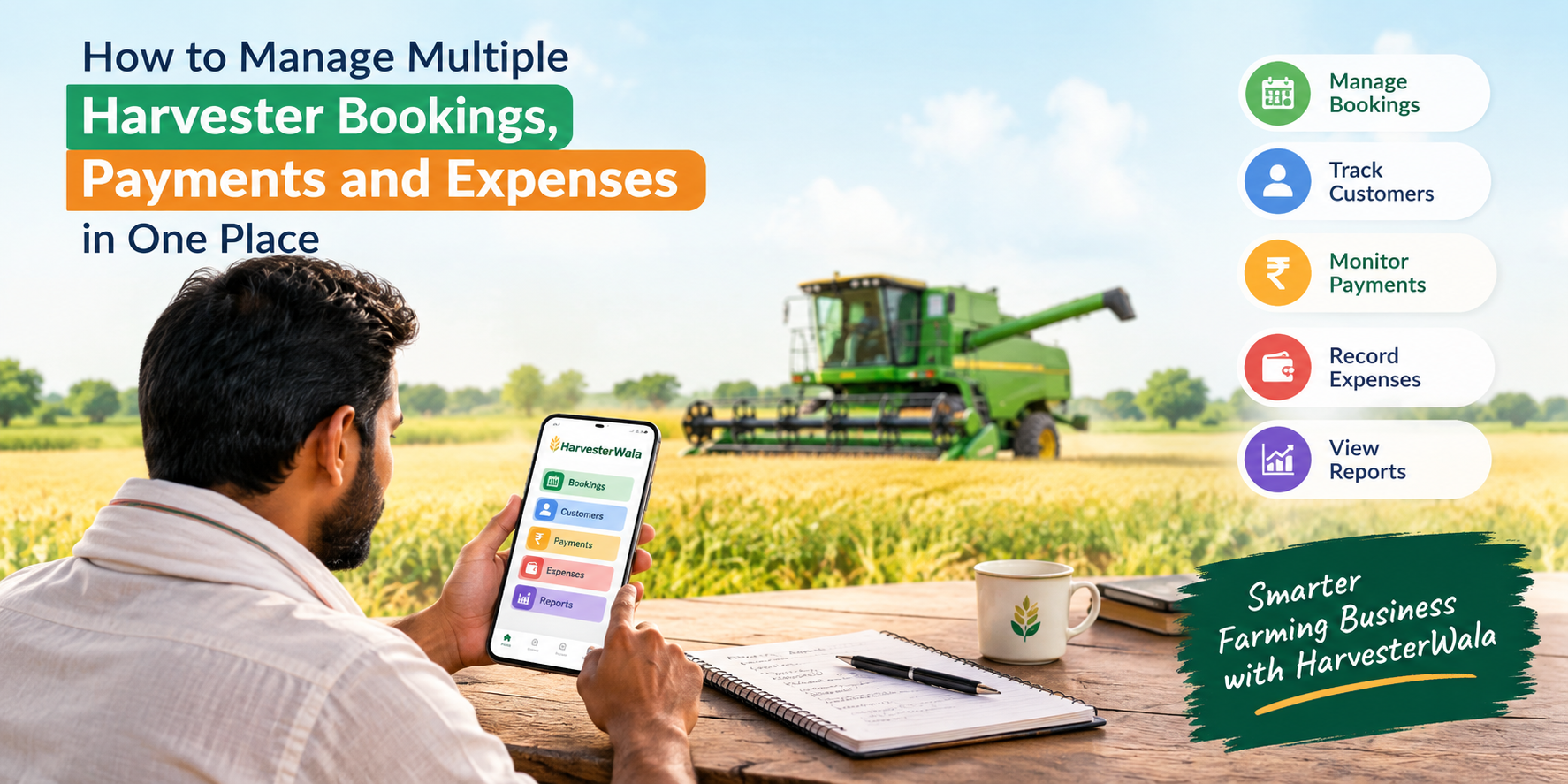
23 Sep 2026
How to Manage Multiple Harvester Bookings, Payments and Expenses in One Place
Learn how to manage multiple harvester bookings, customer payments, pending dues and expenses in one place with a simple harvester management app